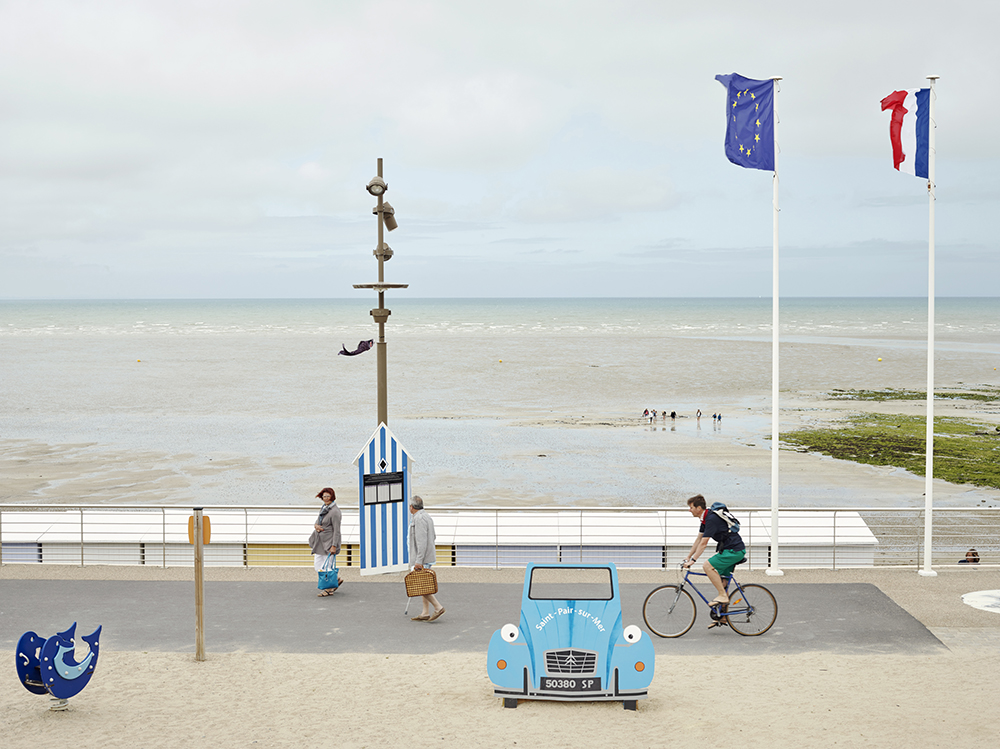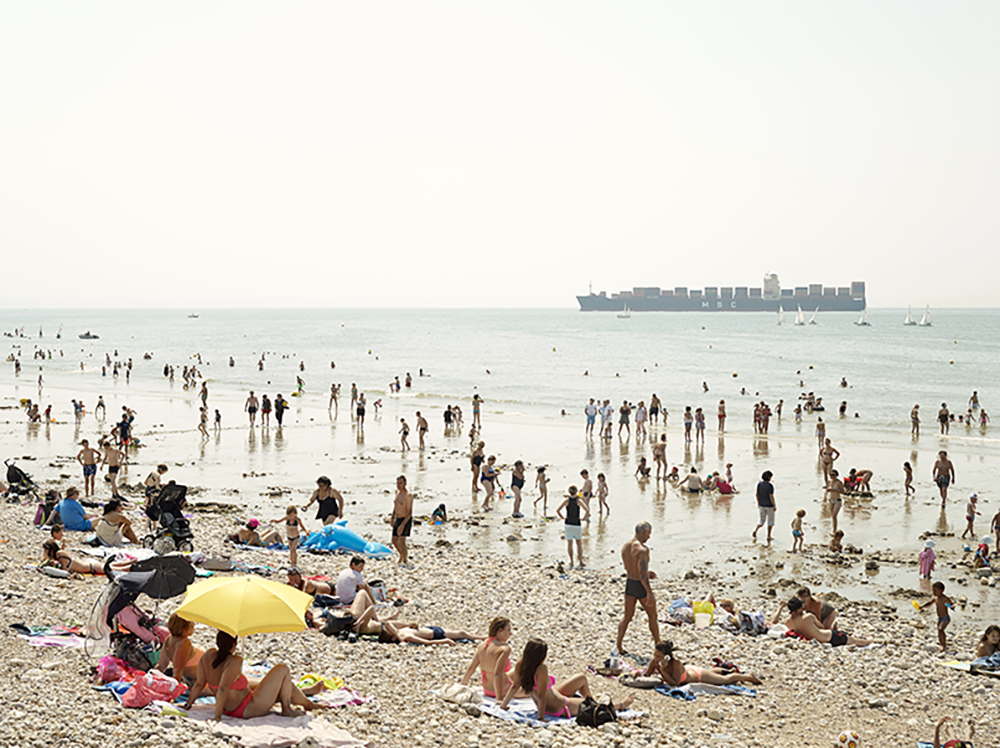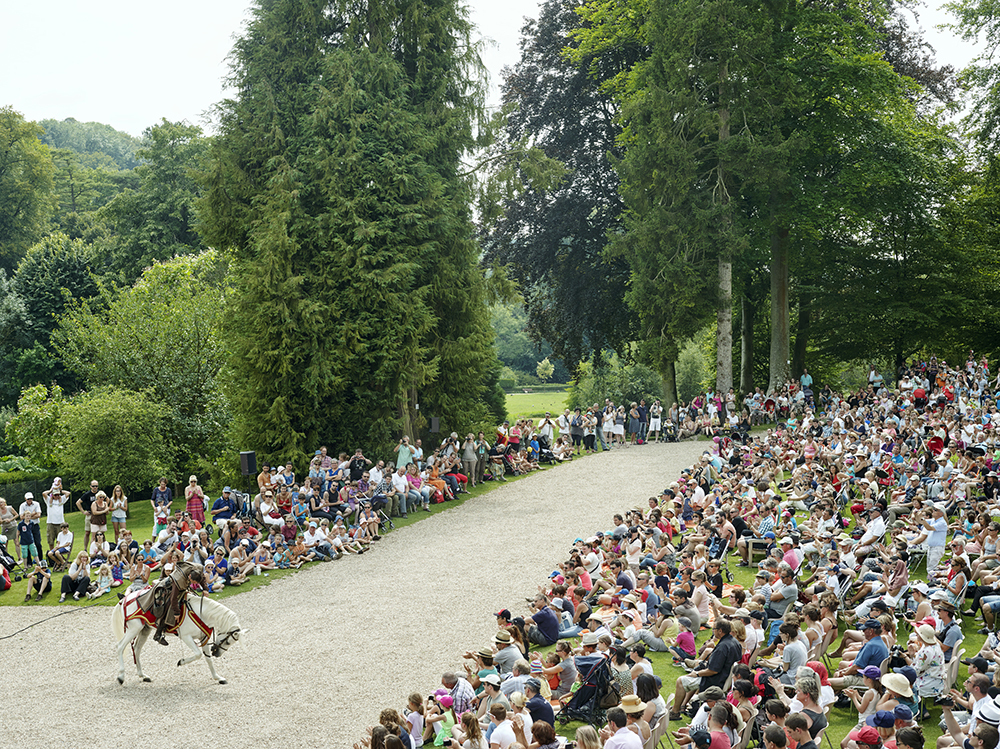
“You have roughly 400,000 hours left to live”: it was under this eye-catching headline that the newspaper Libérationpublished an interview with Jean Viard in 2012. The sociologist, who has devoted his career to the study of mobility and “social time”, sets out his thesis in the article, backed up by figures. The average length of a life, he explains, is now 700,000 hours, compared with 500,000 in 1900. We sleep for 200,000 hours, and the legal working hours have risen to 67,000 hours. Once sleep and work are deducted, there remain 400,000 hours for “learning, loving, campaigning, dying”. This ‘free’ time is spent at home, in the private social space that is the house and its garden, if there is one, and outdoors, in contact with others – the surrounding environment and the fellow human beings we encounter along the way. It is both this world of leisure time spent in the open air and the landscape of our region, Normandy, that Simon Roberts has come to explore.
Here, then, is Normandy, with its days of celebration and leisure, as seen by an Englishman. Our neighbour across the Channel, the photographer Simon Roberts, is a rising star of English photography. Born in 1974, he is part of that typically British photographic tradition, dedicated to portraying the bonds between places and people. In the late 2000s, he produced a landmark body of work: brought together in a book entitled We English, these images depict the English landscape—inhabited and traversed—a lived-in space, the setting for daily life, celebrations and even rituals. In line with commissions undertaken in recent years by the Centre Photographique, dedicated to the landscapes of the cliffs, the Seine Valley and rebuilt cities, the Centre approached Simon Roberts to turn his gaze upon the wider Normandy region. The residency undertaken by the English photographer offers an opportunity to reveal this territory, this time perceived as a vast human landscape.
“Take heed, O traveller, the road too walks,” wrote Rainer Maria Rilke. Far from being a static reality, the landscape is experience and relationship, a common ground forged between the environment and the one who invests it with their footsteps and emotions.
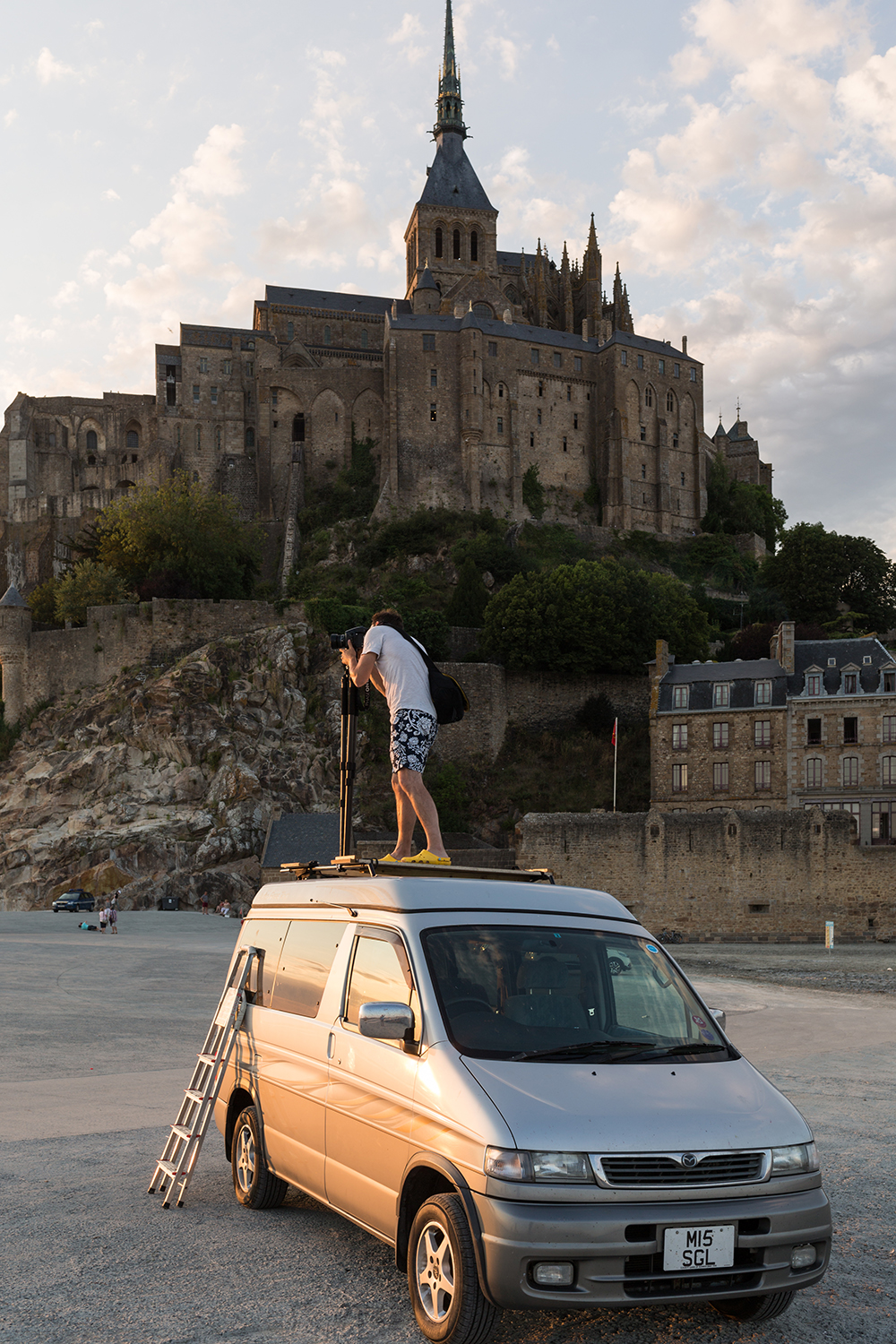
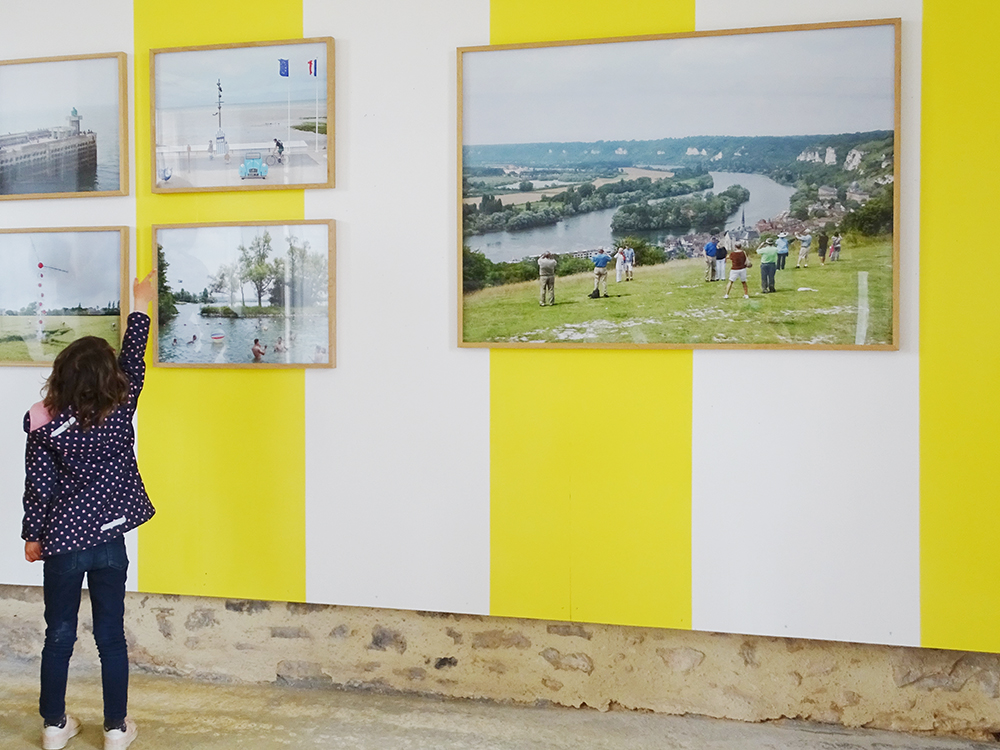
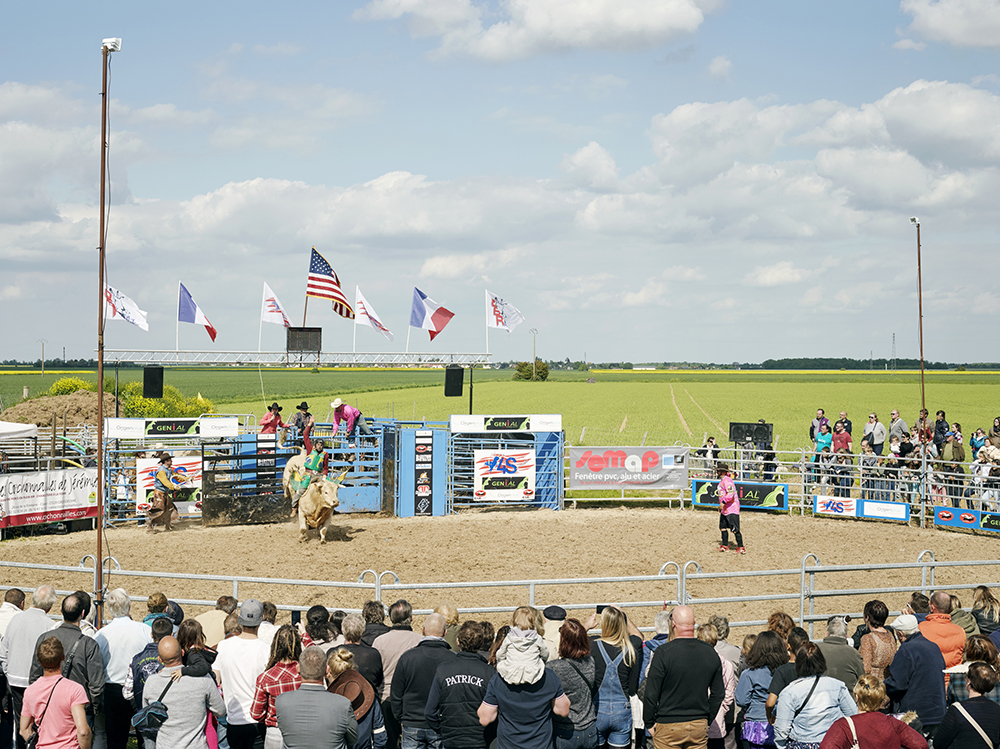
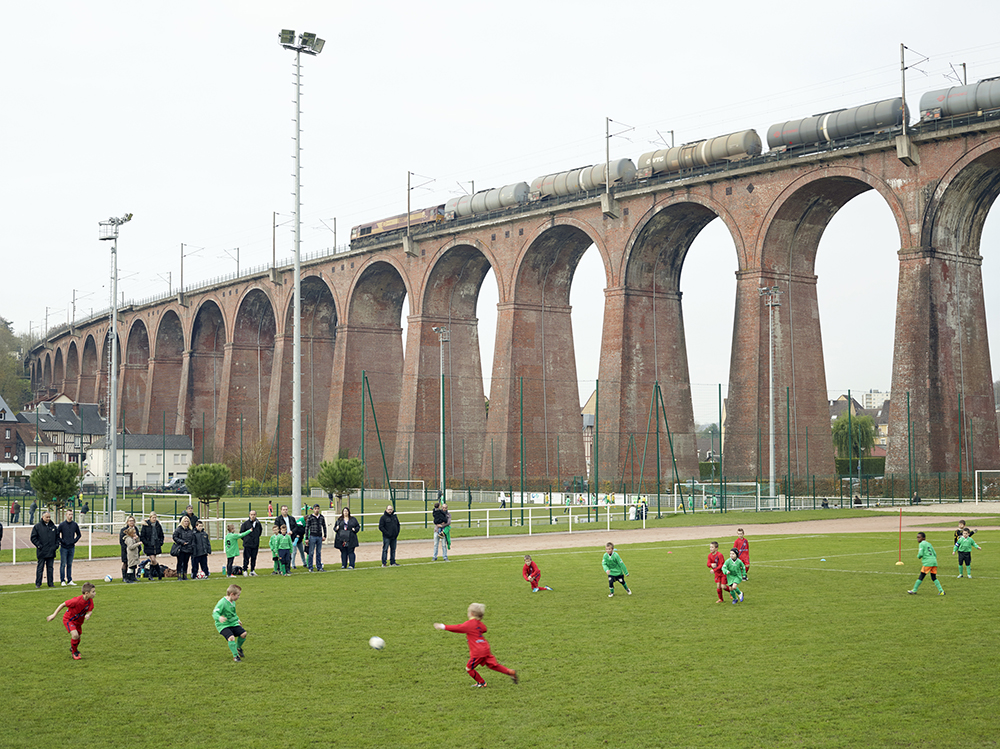
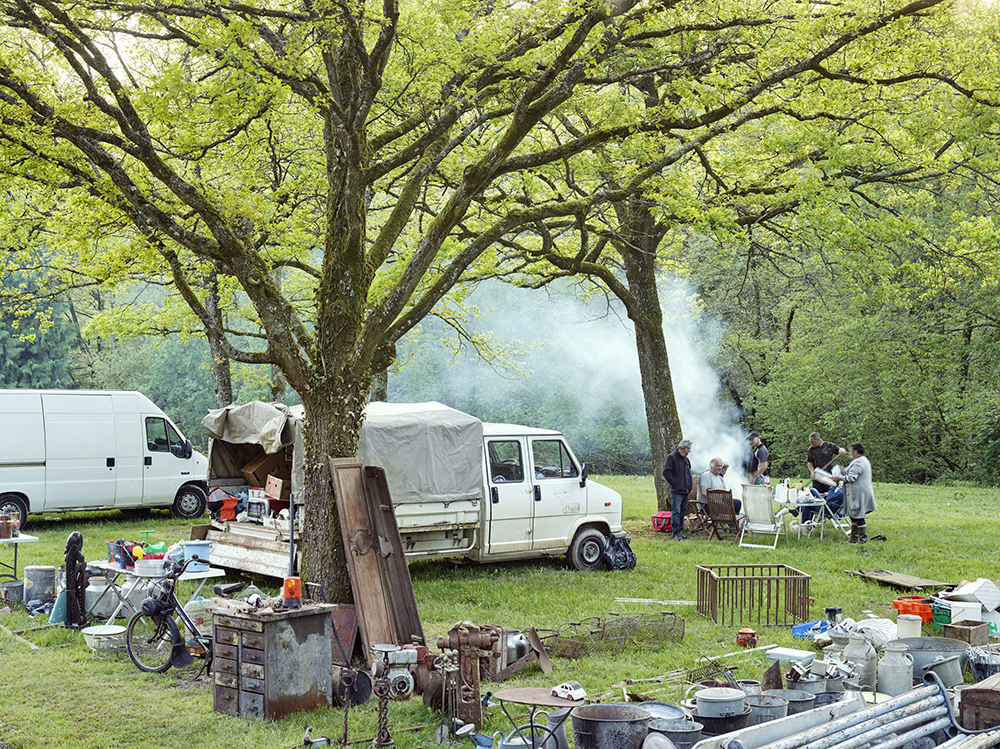
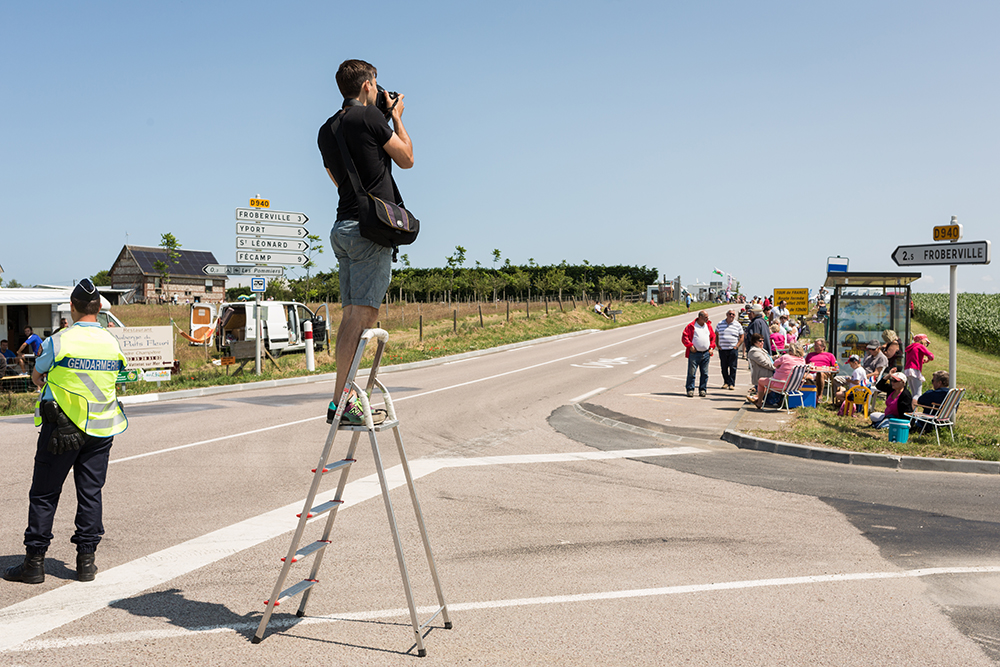
He and we (collectively and individually) weave together a tapestry that playfully blends the real and the symbolic, the natural and the cultural, the objective and the subjective. For two years, the photographer documented local festivals, parades, commemorations and leisure activities. When everything is movement, flow and mobility, he stands still. Perched on the roof of his van, or perched at the top of a ladder, he captures on the spot the encounter between an environment and its temporary occupants.
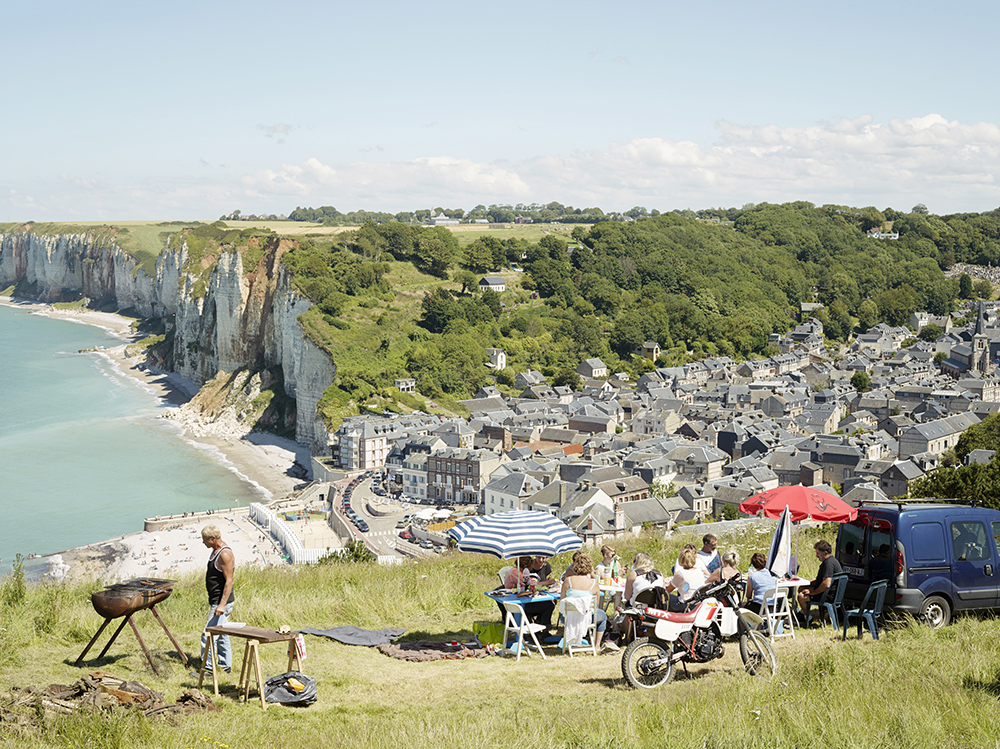
Between these two protagonists, the tone is often familiar, as in this shot where a group of friends treat this corner of the cliff at Yport as their own little garden, setting up the barbecue. ‘Emotional’ landscapes, shared spaces, in short.
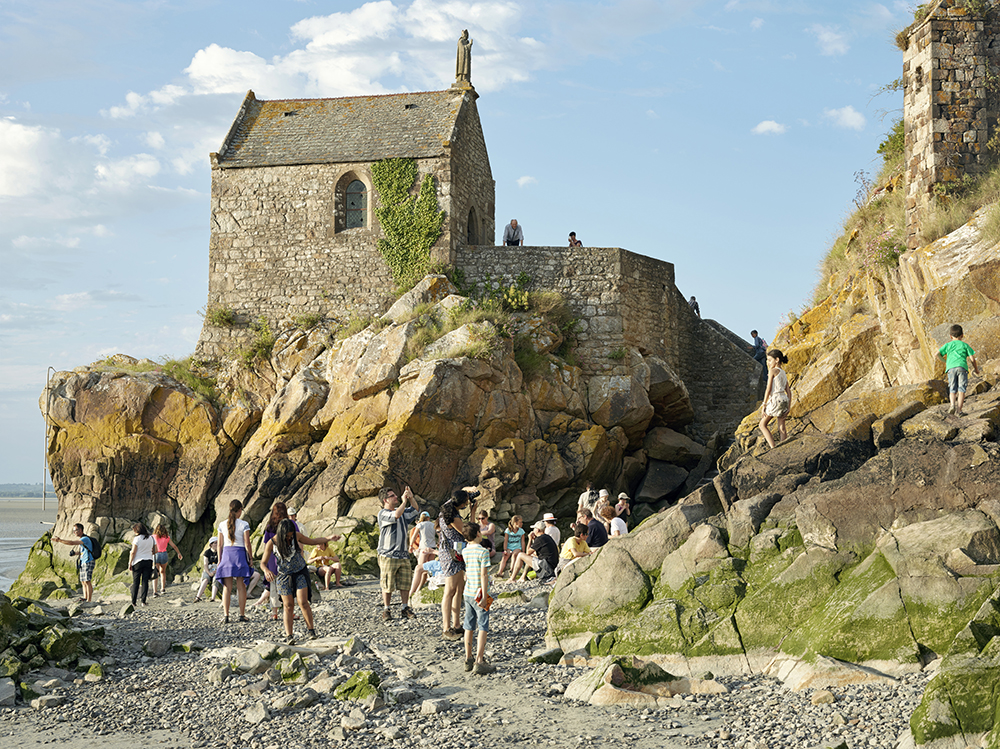
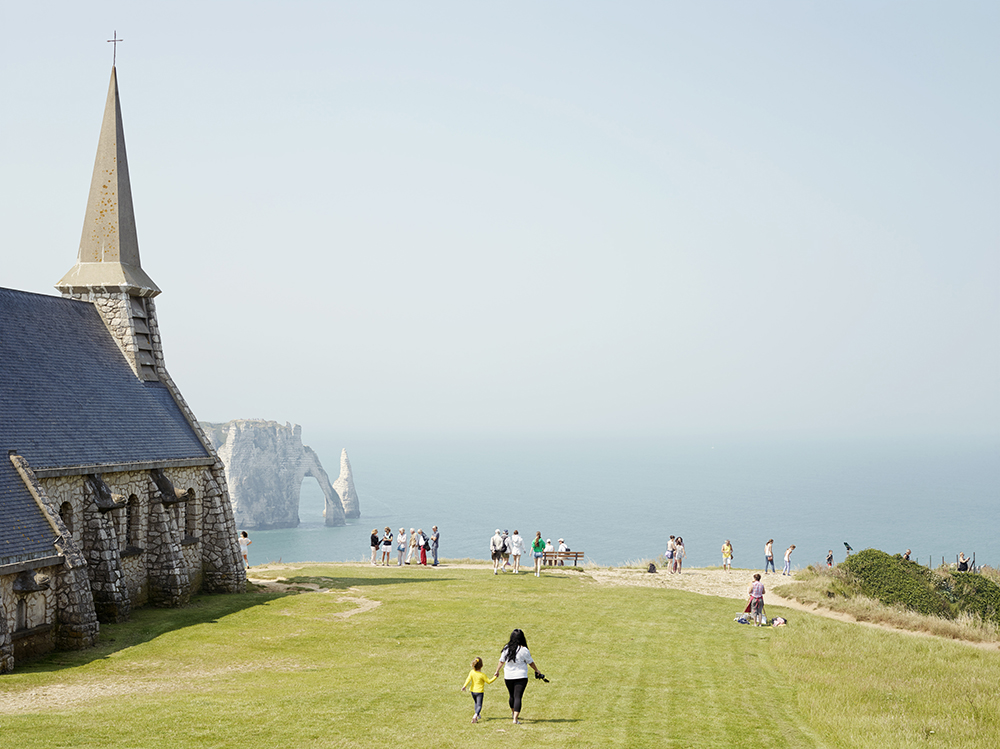
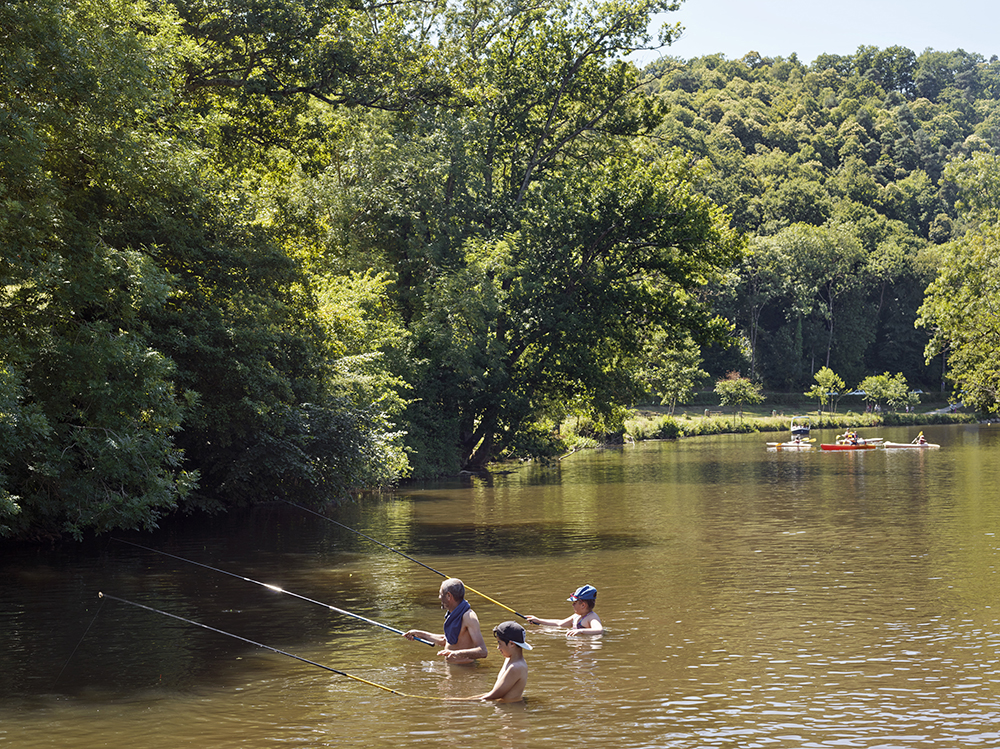
Perched as he is, Simon Roberts’ lens takes in a wide view. The resulting distance from the subject and the individuals simultaneously distances the photograph from the anecdotal and the snapshot, lending these scenes—sometimes as trivial as a swim in the sea or a bike ride—the majesty of a pictorial representation. Within the space of these large canvases, Simon Roberts paints a generous, benevolent and curious portrait of Normandy and those who pass through it. Exploring seashores, rural villages and sports venues alike, his photographs reveal a joyful and unexpected diversity of ways in which these landscapes are used and ‘experienced’.
A selection of amateur films from the 1920s to the 1960s from the Pôle Image’s Audiovisual Memory collection, alongside postcards from the 1900s to the 1960s, add a vernacular, historical and intimate touch to the picture of the region sketched out in this exhibition.