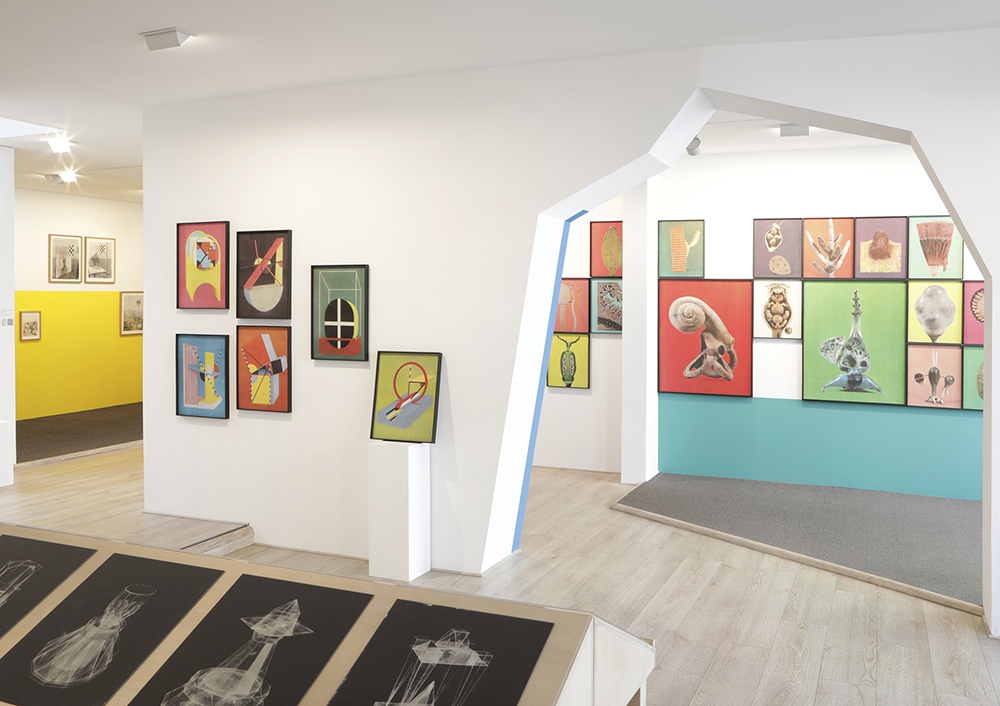
For the 2024 edition of the Normandy Impressionist Festival, the Rouen Normandy Photography Centre is presenting a new project by the French photographer Laurent Millet.
Having observed the artist’s work for many years, the Centre photographique was delighted to invite him to continue his exploration of the scientific imagination and the act of invention, here in the region, and thus to examine the little-known yet rich collection of Dr Auzoux, held in Neubourg (Eure).
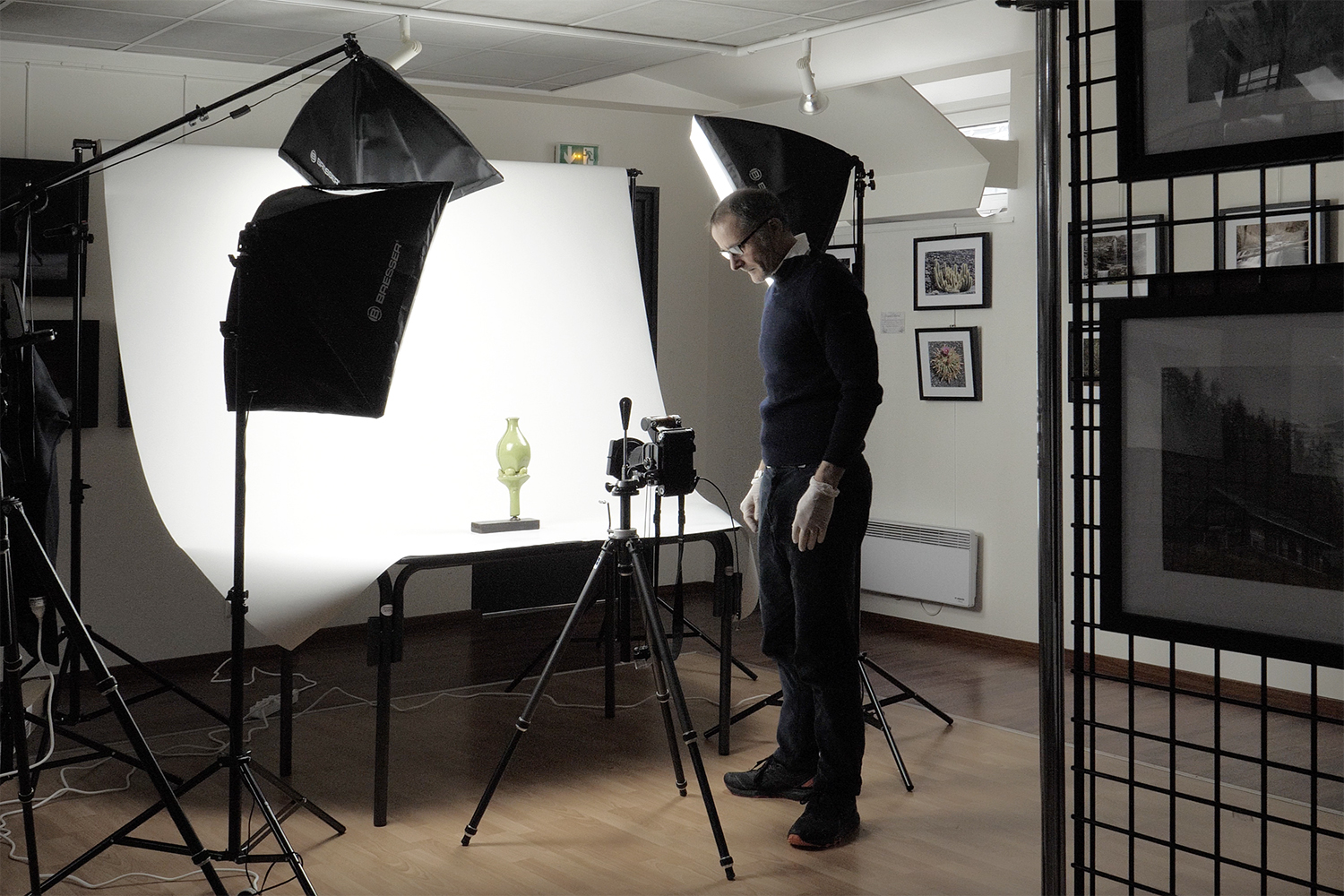
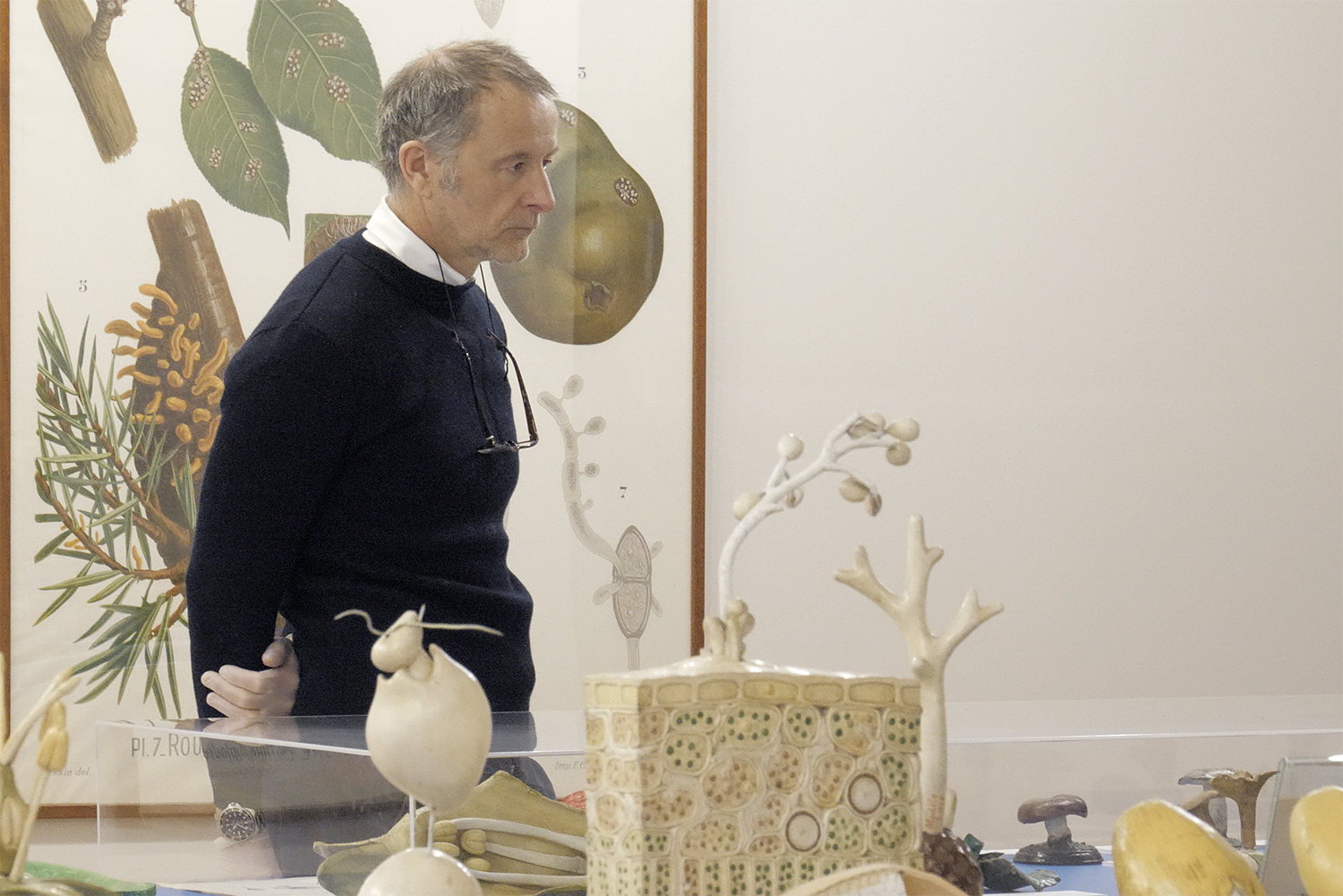
The creative residency consisted of a period of research, followed by photo shoots across Normandy, at the Musée de l’Écorché, in Neubourg, and in the studio and laboratory in La Rochelle.
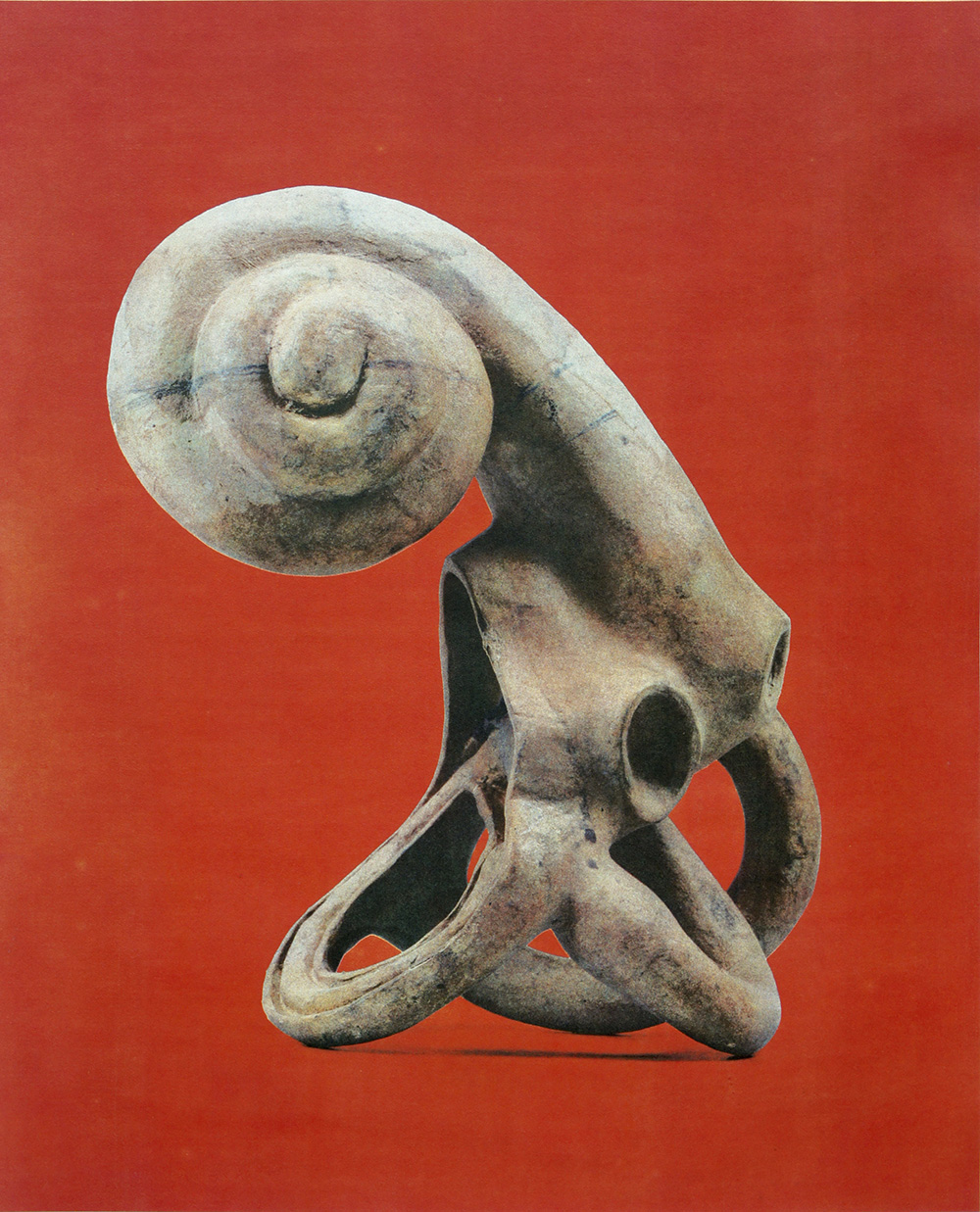
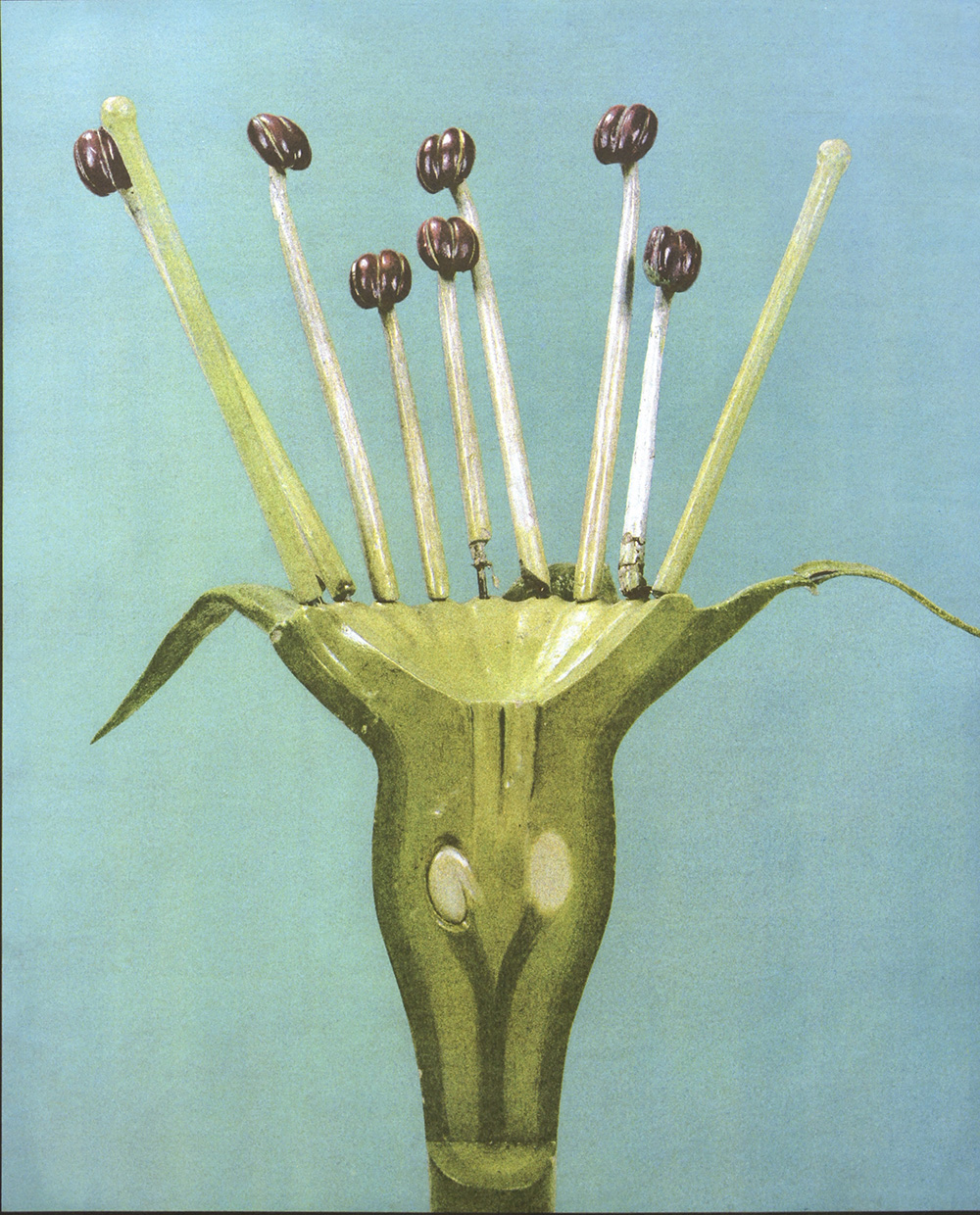
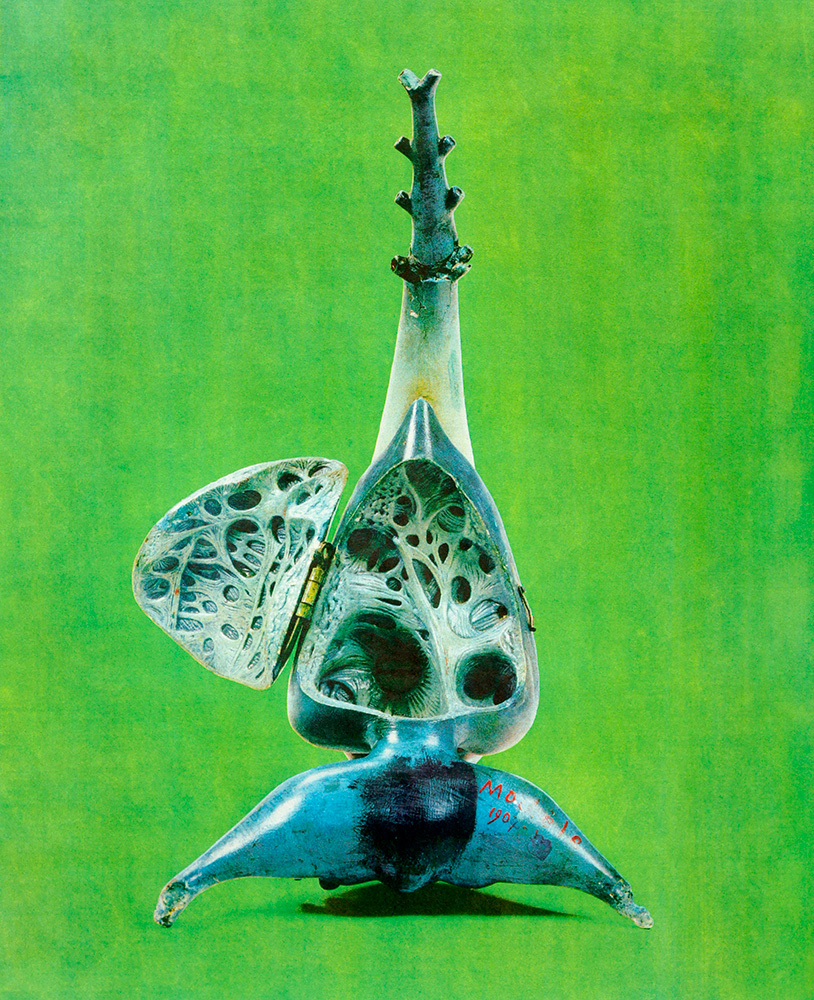
The novice observer looking at Dr Auzoux’s anatomical models today is struck by their so-called surrealist nature. The distortion of scale is systematically dictated by their purpose: to teach, one must describe; and to be precise, one must make things larger than life. On the same shelf, a giant pea sits alongside a smaller, yet still very large, pike heart. And what of all those models that cannot be identified? This accumulation of marvellous oddities, the creative drive and the thirst for knowledge to which they still bear witness today, formed the starting point for Laurent Millet’s invitation.
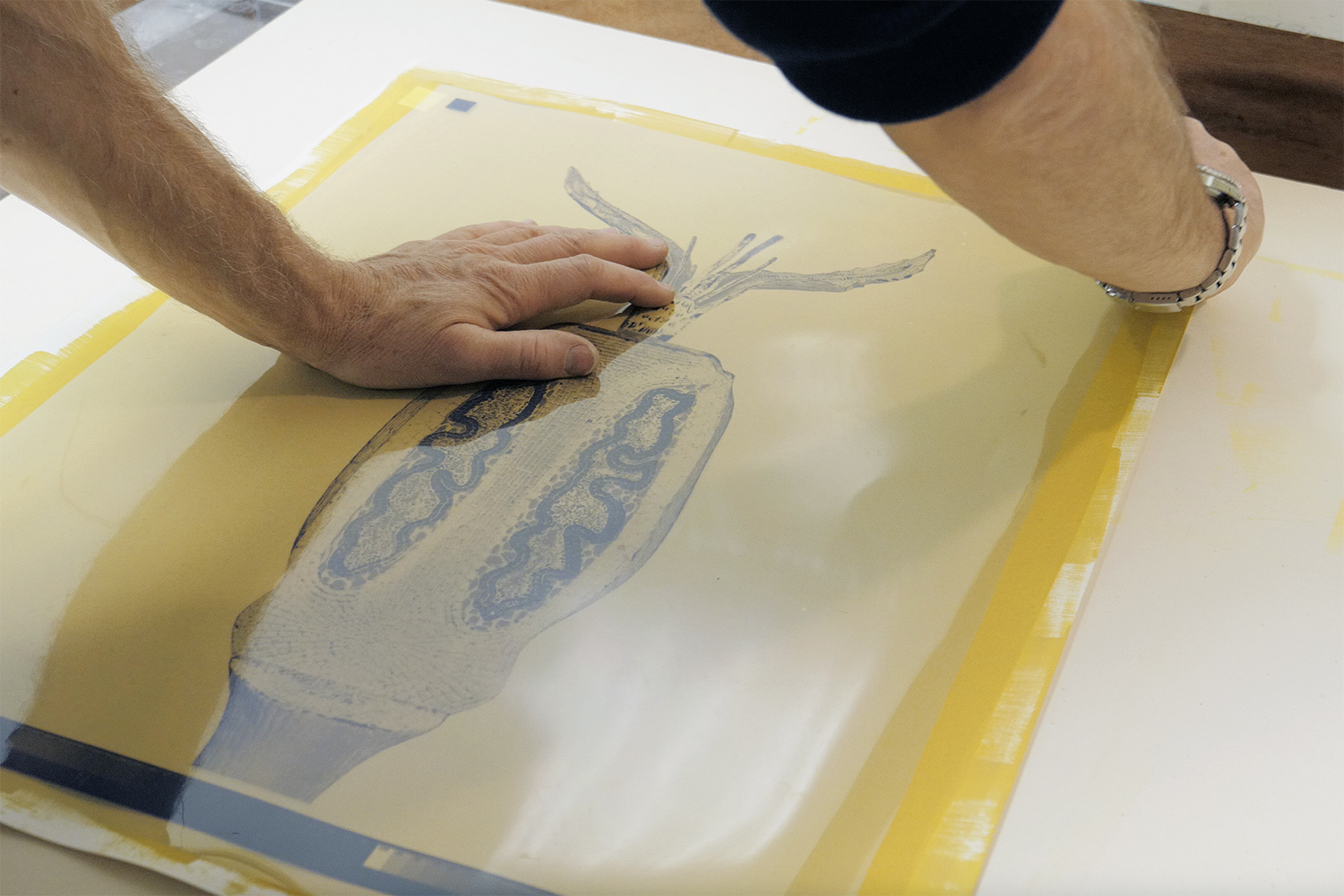
The artist quickly identified a central theme: to produce work that situates anatomical forms not only within the context of medicine but also within the history of printmaking (notably the works of Le Blon), the history of our understanding of colour perception and its reproduction, and thus continues his exploration of pigment printing.
Jacob Christoph Leblon (1667–1741) drew on Newton’s discoveries regarding colour: he evaluated his experiments on primary colours in the light of Newton’s revelations concerning the rays that make up light. Leblon methodically explored the perception of the visible, attempting to go beyond appearances and to ‘dissect the visual phenomenon’ (Florian Bodari). Indeed, one of the first subjects Leblon drew upon to put his theories into practice was linked to anatomy: “parts of the human body serving for procreation”, thus linking the fields of colour printmaking and anatomy for nearly half a century. Doctors of the time were seeking reliable educational tools capable of representing their discoveries.
F. Bodari even draws a parallel between the actions of the engraver and those of the surgeon (
Gautier Dagoty, who took over Leblon’s workshop and continued his research, found that his fascination with the human body led him to make it a favourite subject of his engravings, and eventually to abandon engraving altogether to devote himself exclusively to dissection, which was very much in vogue at the time of the Encyclopédie.
The shared early history of printmaking with anatomy and the natural sciences: men of pain with exaggerated wounds, engraved and coloured herbariums (15th-century Germany), Vesalius’s *De Fabrica Humani Corporis*…
The process utilised by Leblon and later Gautier Dagoty in their research into colour printmaking is the manière noire. Created to emphasise chiaroscuro, it de-emphasises the precision of the line to highlight volumes and modelling, for the benefit of the overall effect. It responds to the flesh through its characteristics. Until then, the depiction of anatomy had been the domain of line and detail; this new technique renders the organicity of the tissues with exceptional chromatic diversity, contributing to the dramatisation of the subject and to Gautier Dagoty’s ability to make us dream from the unbearable.
Leblon’s invention fell into oblivion because he gave no details regarding his natural, almost instinctive way of separating colours, which was the keystone of his approach: his successors were unable to achieve this, and it was not until the second half of the 19th century that Ducos du Hauron and Charles Gros succeeded in recreating this synthesis in a more theoretical and practical manner using coloured filters to produce photographs.
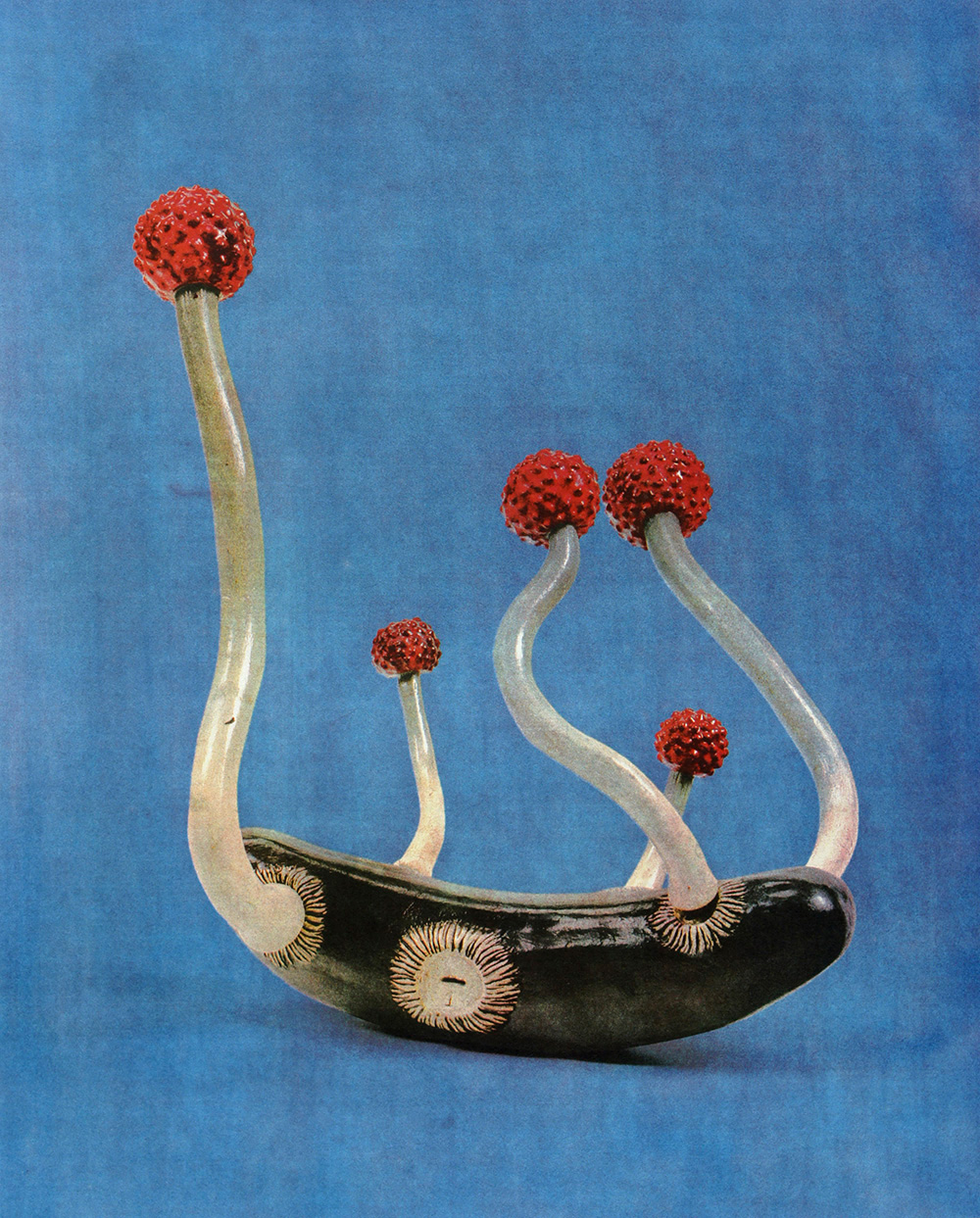
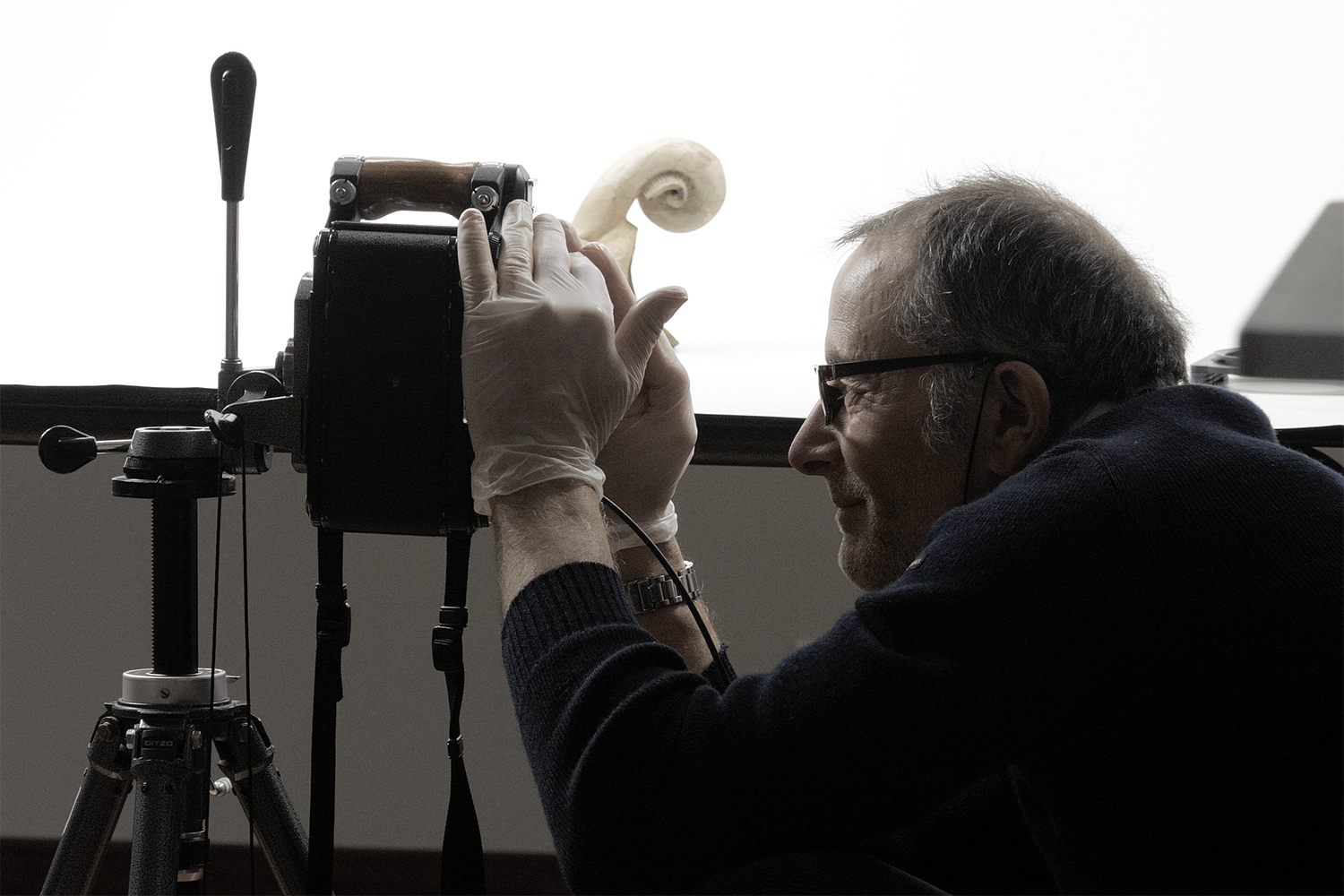
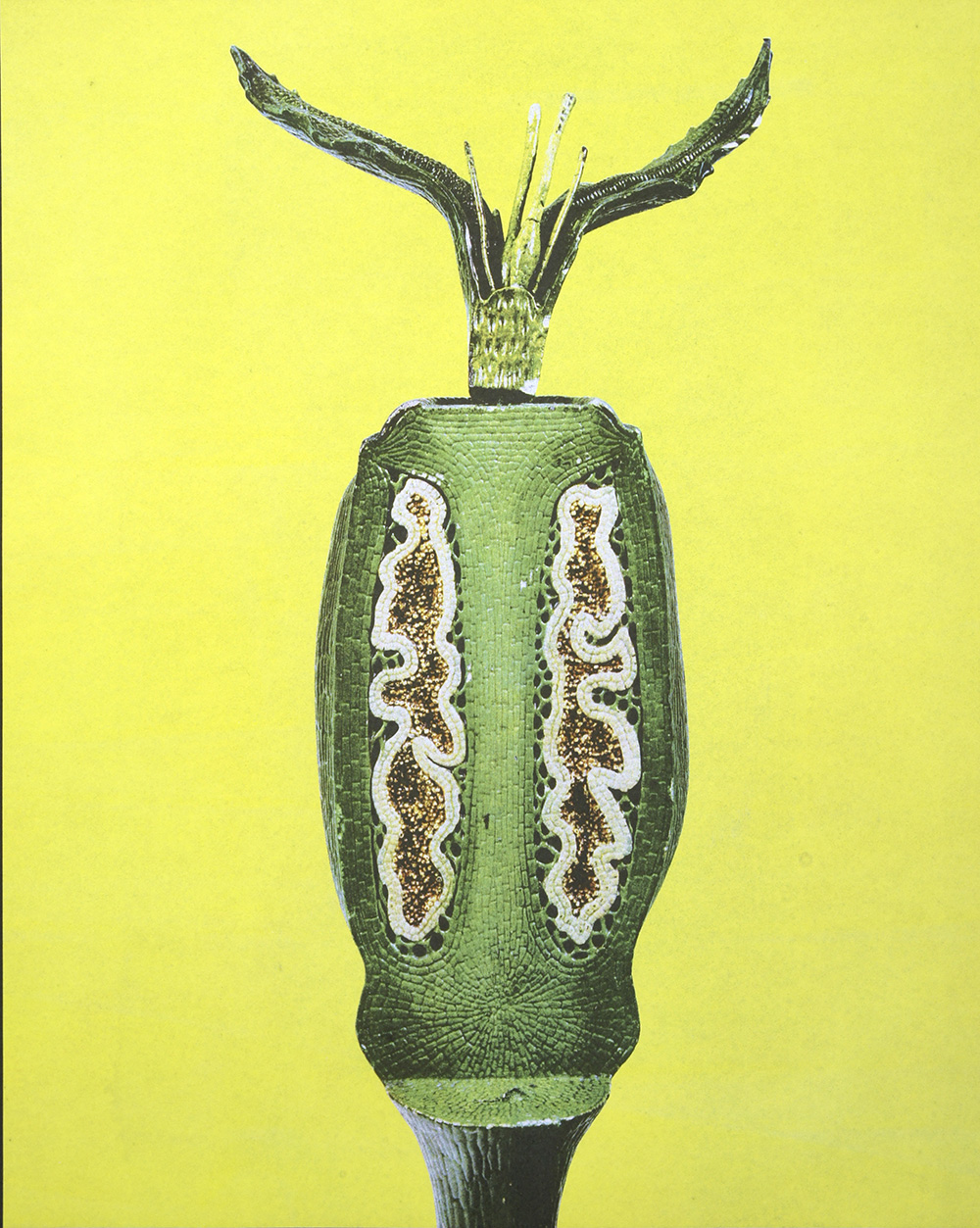
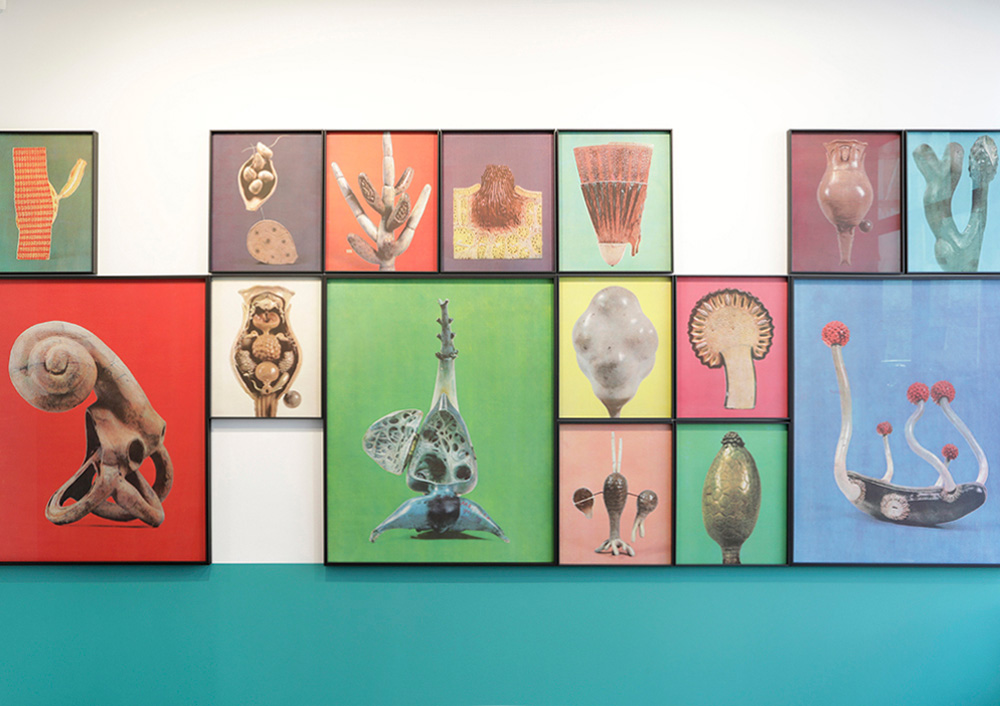
The photographs taken of Dr Auzoux’s models will be produced using a colour photography technique (four-colour gum bichromate) that is very similar to those of Ducos du Hauron and Gros, and thus forms part of a clear continuum in the history of printmaking. It is, of course, anachronistic today in the strict sense of linear time. However, it employs a fusion of several techniques in an unprecedented way, disregarding their chronological precedence and focusing solely on re-evaluating their capacity to revitalise the way we perceive and depict representations of the body’s interior.
The objects will be depicted frontally against backgrounds of primary and secondary colours, with the intention of highlighting their plastic form and contrasting their colours with those of the primaries used to represent them—the scientific discovery of which marked the inventions of colour photography: the red/green/blue trichromatic system, the four-colour process of magenta/cyan/yellow/black, and the secondary colours used by the Lumière brothers for their autochromes—orange/green/violet…