Lívia Melzi’s practice is grounded in photographic and archival research, exploring the role of European images in the construction of Brazilian identity and history. She addresses themes of representation, museology, and anthropology through a decolonial lens.
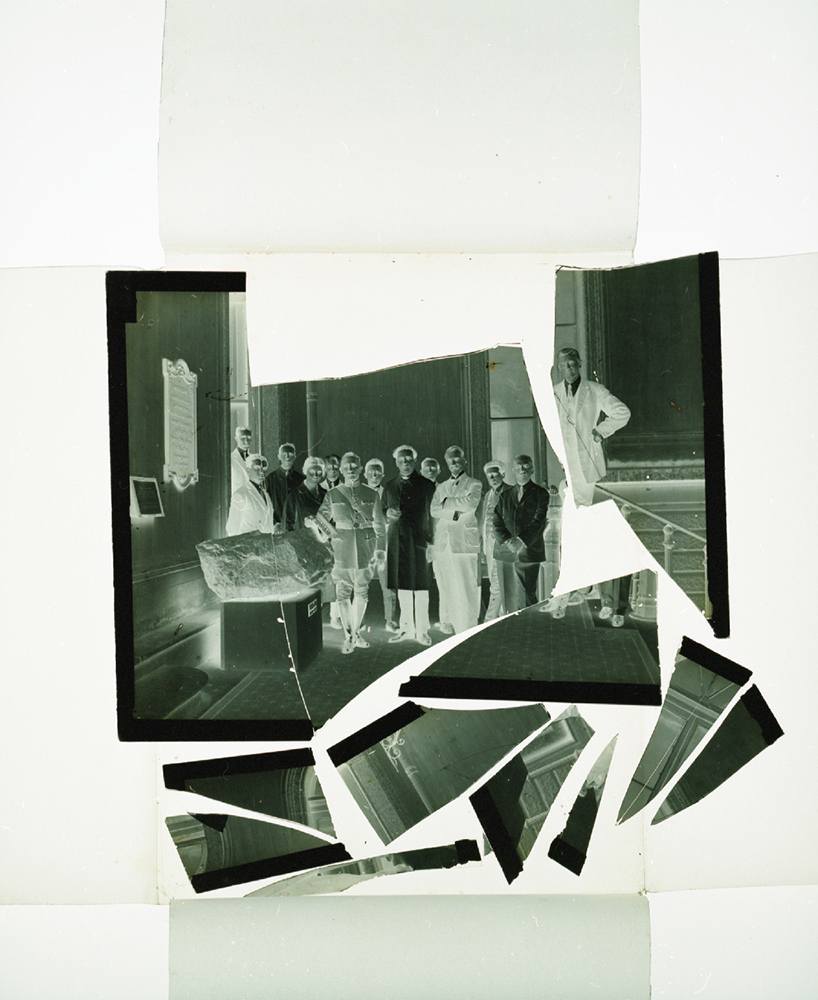
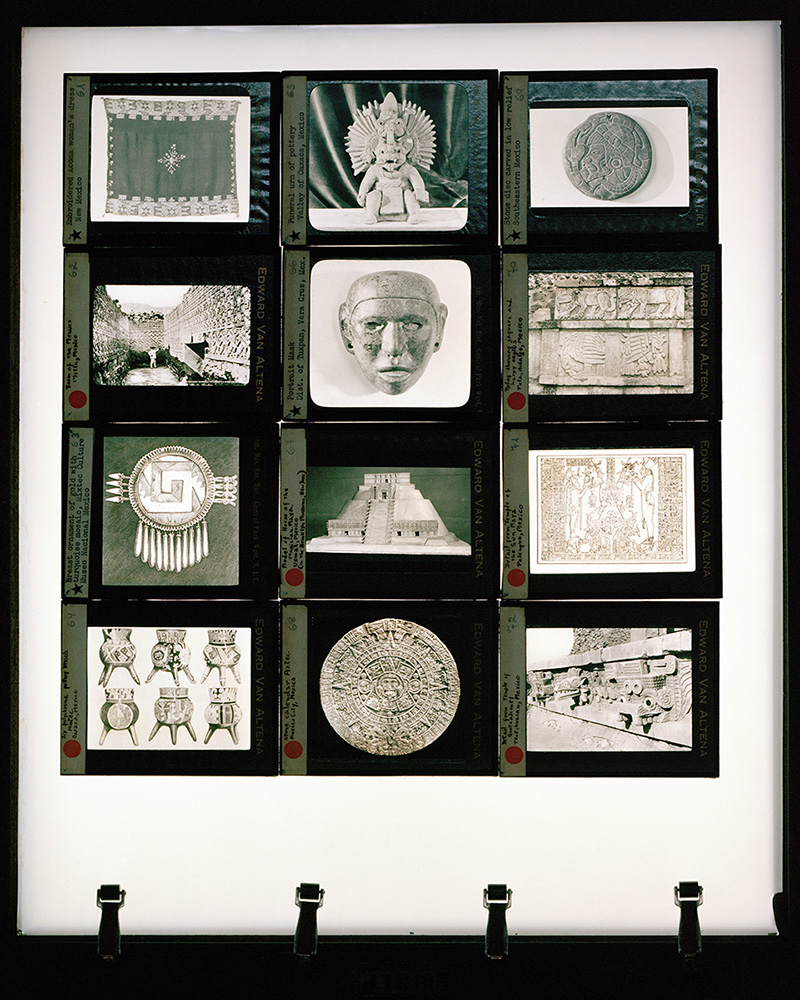
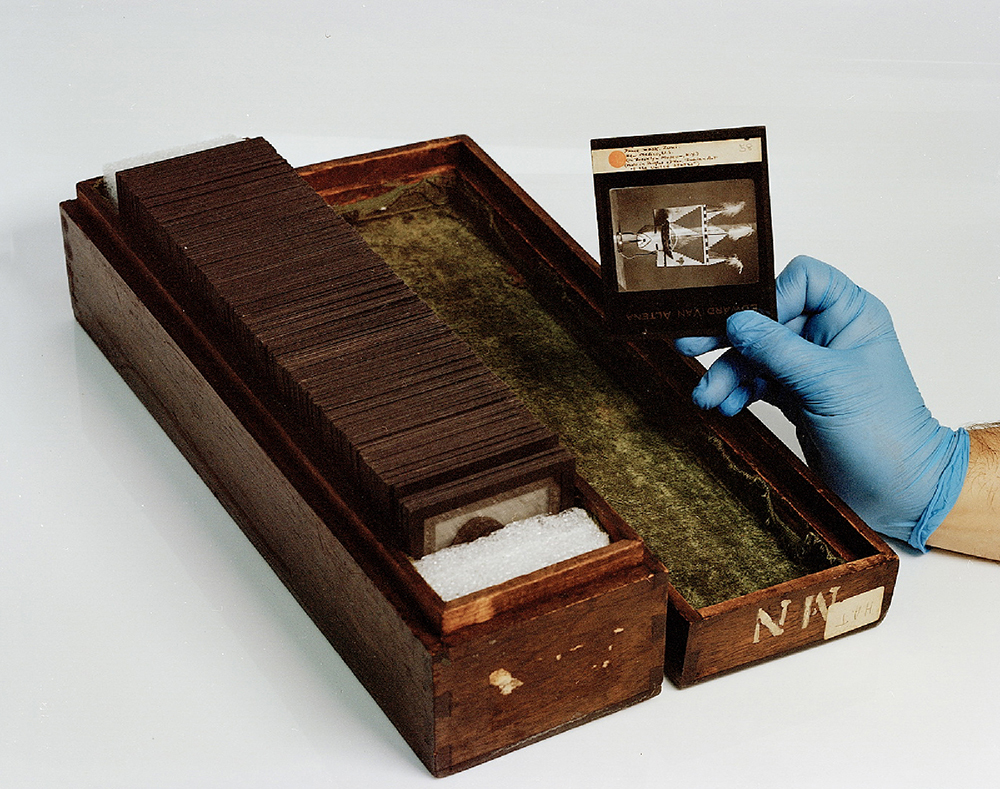
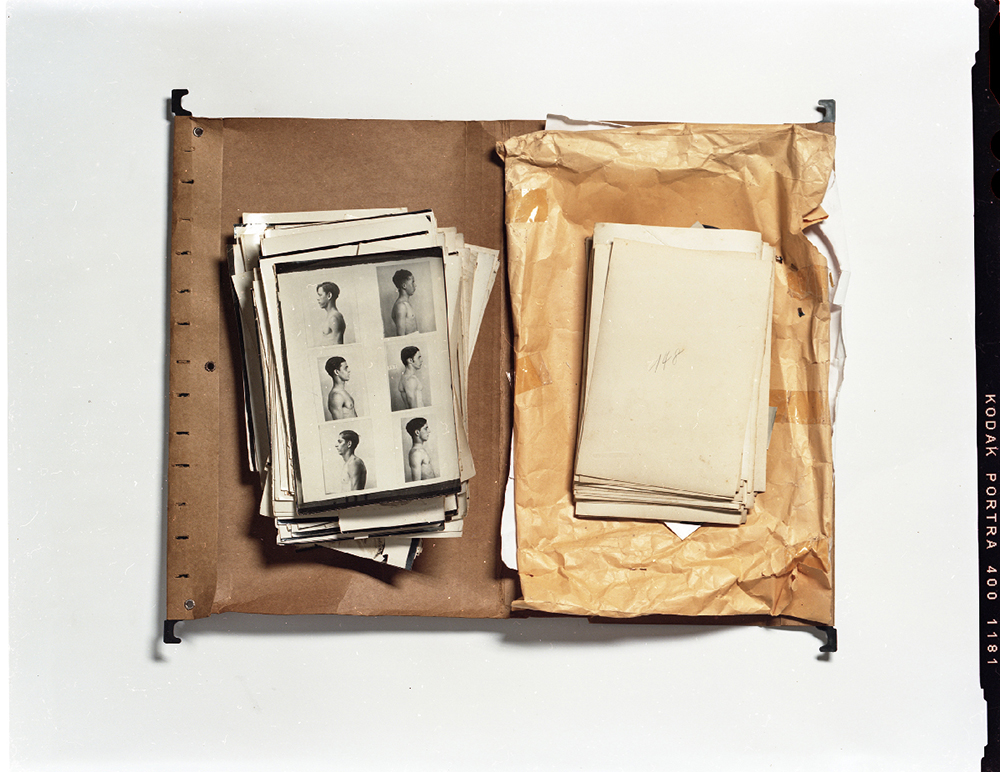
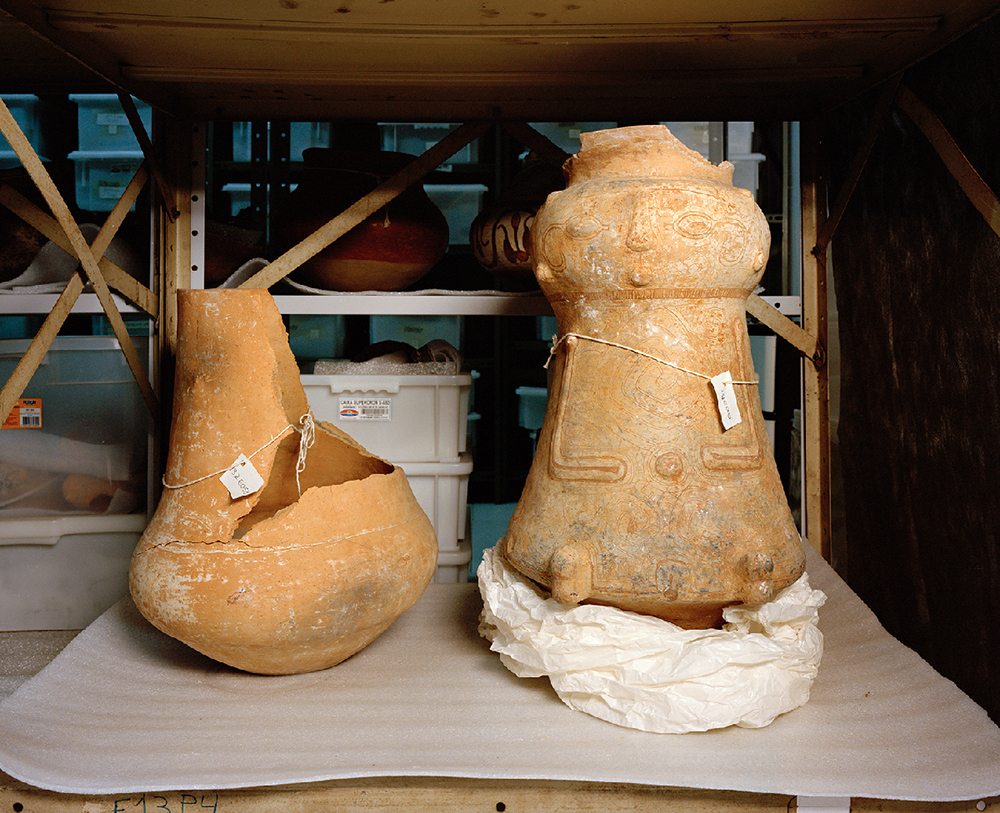
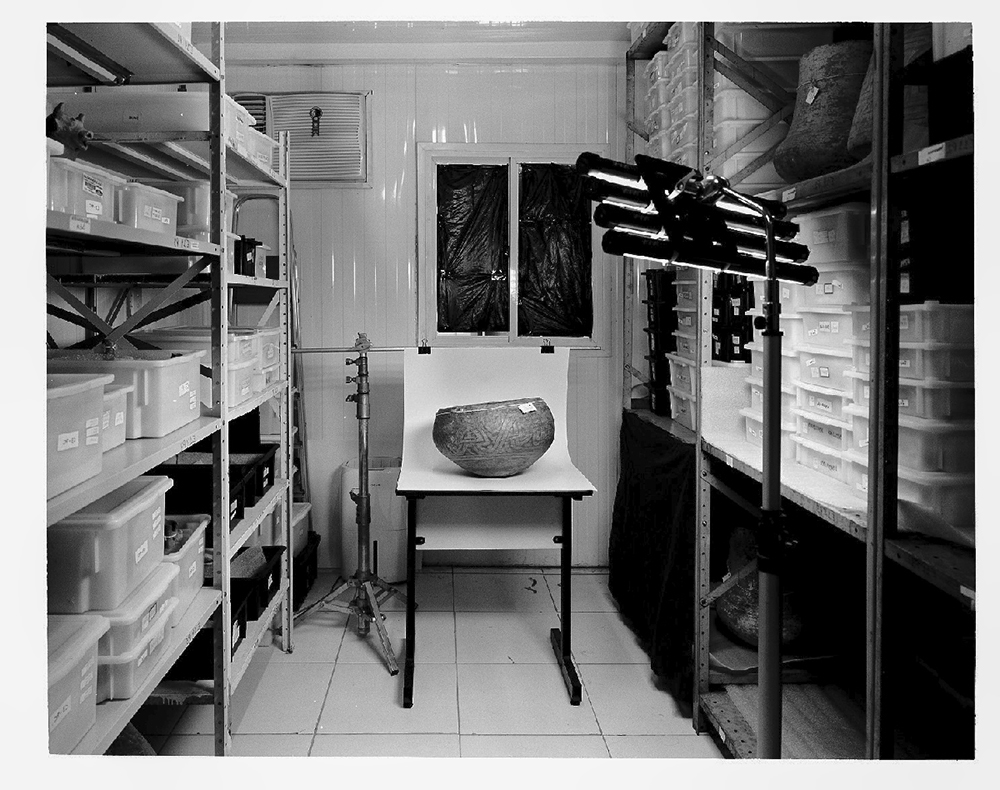
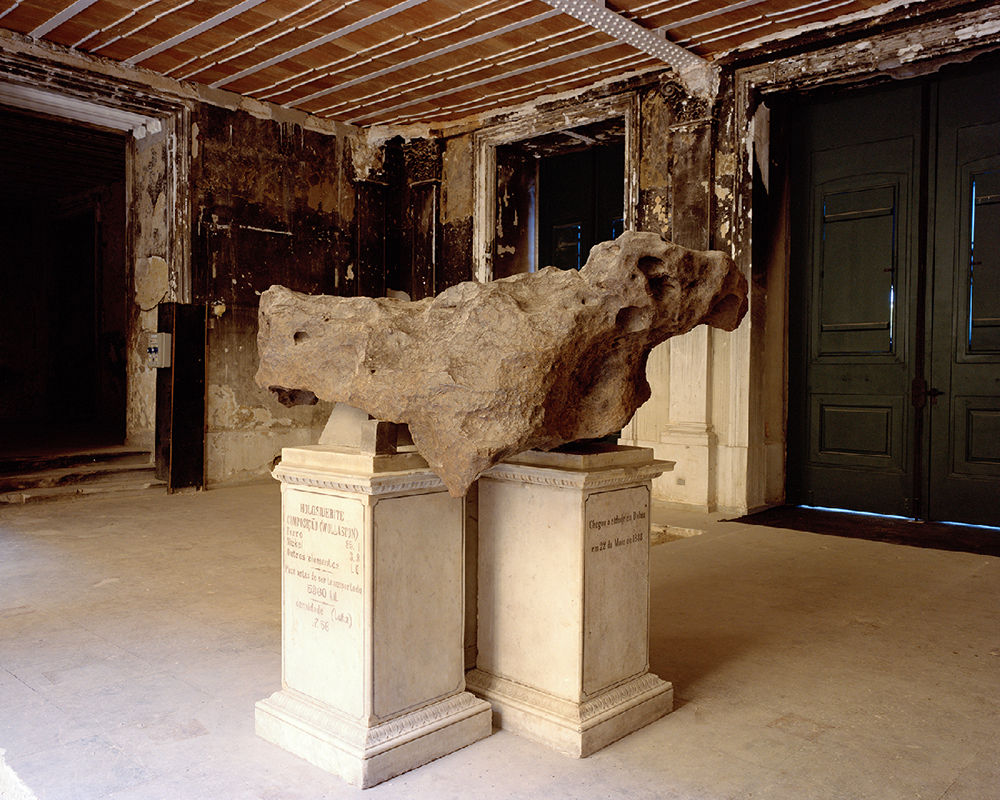
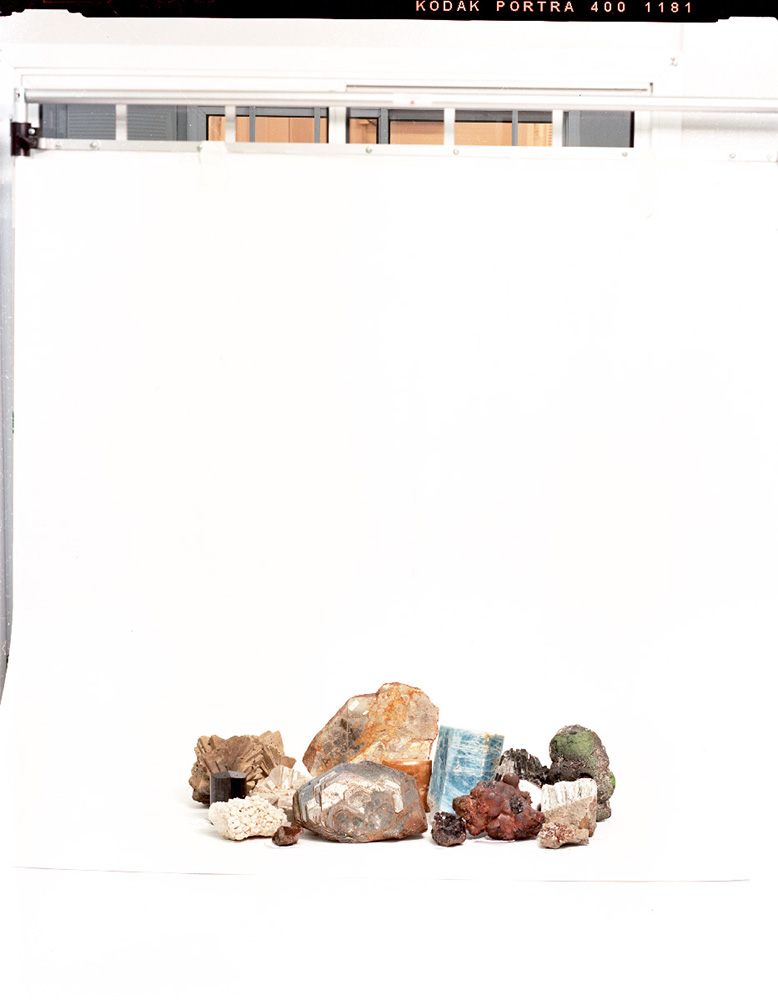
Born out of the destruction of the collections of the National Museum of Rio de Janeiro in 2018, Musea Futuri is a research project that continues today in Europe.
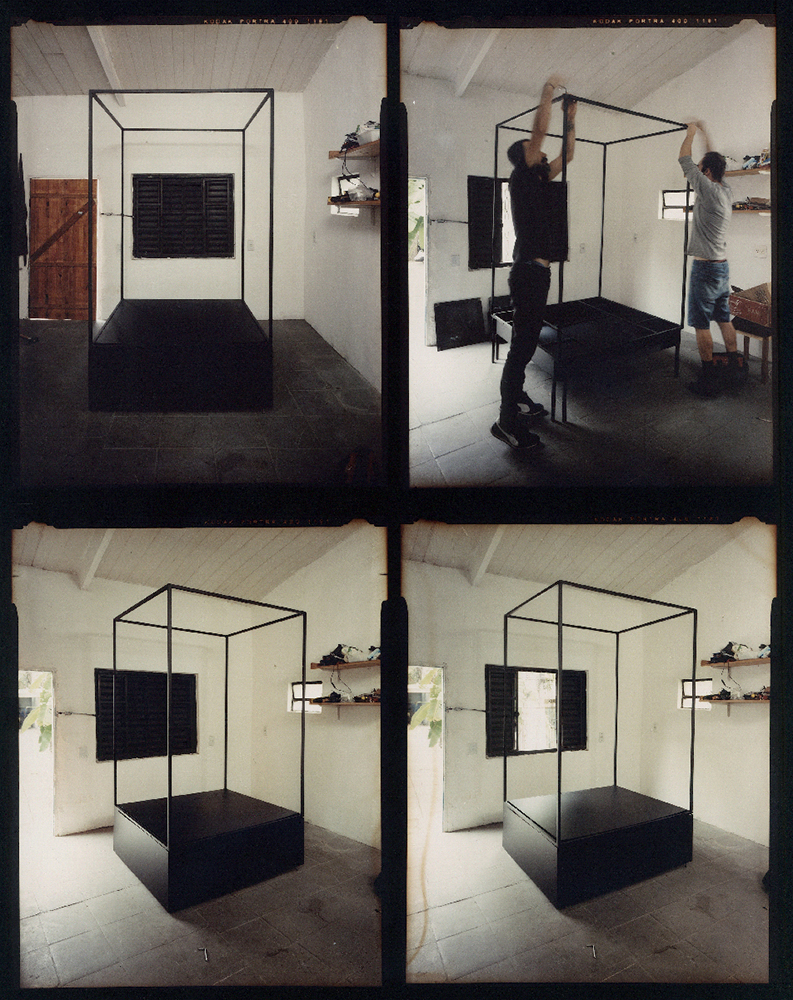
The project examines the form and purpose of the contemporary museum based on an observation: the disappearance of physical objects opens up the possibility of a museum founded on their surviving images. This “empty museum” would no longer be merely a space for conservation, but a speculative territory where memory, light, and the photographic trace replace lost materiality. Part documentary inquiry, part critical fiction, Musea Futuri offers a visual reflection on the function of the museum in the postcolonial era. It examines the relationship between archives, power, and imagination, and attempts to reinvent a museology based on the circulation and survival of images.
Born in 1985 in Ribeirão Preto, Brazil, Lívia Melzi holds a master’s degree in oceanography from the University of São Paulo (2012) and a master’s degree in photography and contemporary art from Paris 8 University (2018). She lives and works between Arles and Paris. She has exhibited at the Salon de Montrouge, where she received the Grand Prix (2021), at the Palais de Tokyo (2022), as well as at the Musée de Grenoble (2023), the Maison de l’Amérique Latine (2025), and at several international festivals.